
OUR CARE
Five kinds of care, explained plainly.
Albert House and Bridge House each offer a different mix of care, built around what residents actually need. Below is what each kind involves, who it tends to suit, and where it may not be the right fit. There is no pricing on this page and nothing here is written to persuade you either way, just the detail so you can judge for yourself.
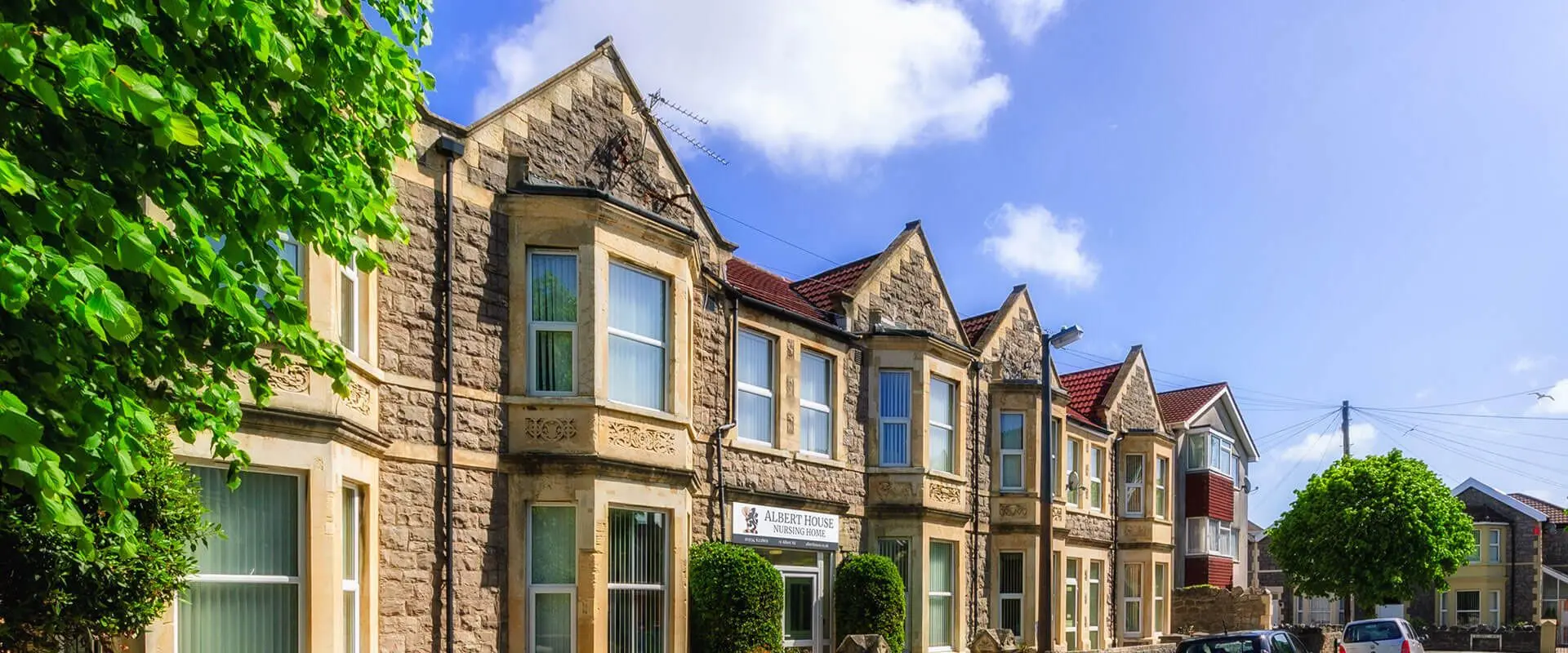
NURSING · ALBERT HOUSE
Nursing care
What it involves
Nursing care combines 24 hour support from registered nurses with help for daily living. It covers medication, wound care, mobility support and monitoring of ongoing health conditions, alongside washing, dressing and meals.
Who it suits
People who have an ongoing medical condition that needs a qualified nurse on site around the clock, not just help with everyday tasks.
When it may not be the right fit
If someone mainly needs help with daily living and does not have a medical need for nursing input, residential care is likely to suit them better and will usually feel more homely.
RESIDENTIAL · BRIDGE HOUSE
Residential care
What it involves
Help with everyday living: washing, dressing, meals, medication prompts and company, in a home setting without nursing on site.
Who it suits
People who need support with daily tasks but do not have a medical condition that requires a registered nurse.
When it may not be the right fit
If a health condition needs regular nursing input, such as complex medication management or wound care, nursing care will be the safer and more appropriate choice.
DEMENTIA CARE · BOTH HOMES
Dementia care
What it involves
A calm, familiar environment with staff trained to support people living with dementia, combined with either residential or nursing care depending on the home and the level of support needed.
Who it suits
People with a dementia diagnosis who benefit from routine, consistent faces and a secure, unhurried setting.
When it may not be the right fit
If dementia is at an early stage and someone is still managing well at home with some support, a respite stay or day visit might be a gentler first step than a permanent move.
RESPITE & SHORT STAYS · BOTH HOMES
Respite care
What it involves
Short stays, from a few days to several weeks, to give a family carer a break, support recovery after a hospital stay, or let someone try a home before deciding on anything longer term.
Who it suits
Families who need a short break from caring, or someone who wants to experience a home before committing to it.
When it may not be the right fit
If full time care is already clearly needed, a respite stay is not a substitute for it and should not be used to delay finding a permanent place.
END OF LIFE CARE · ALBERT HOUSE
End of life care
What it involves
Sensitive, dignified support focused on comfort, for people whose condition no longer responds to treatment. Family involvement is welcomed and encouraged throughout.
Who it suits
People with a life limiting illness who need palliative support, and the families around them.
When it may not be the right fit
This is specialist care for a particular stage of life. It is not the right description for someone who does not have a palliative diagnosis and needs general nursing or residential support instead.
Not sure which kind of care is right?
Every family's situation is different. Tell the team at either home about yours and they will help you work out what fits, with no pressure and no obligation.